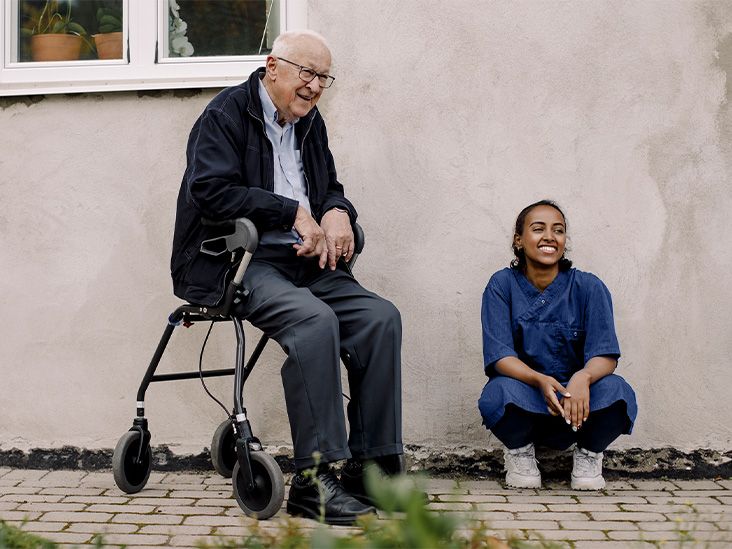
Use gentle, warm water and a clear step by step bed bath to keep them safe and dignified.
I’ve helped many families and worked with care teams to learn practical, safe methods for how to bathe an elderly person in bed. This guide gives clear steps, tips, and real-life lessons so you can bathe a loved one with confidence, comfort, and respect. Read on to get safety checks, a full supplies list, a step-by-step routine, and answers to common concerns about how to bathe an elderly person in bed.

Why bed baths matter and when to use them
A bed bath keeps basic hygiene while avoiding risky transfers. When an older person cannot safely stand or sit for a shower, a bed bath prevents skin breakdown and reduces infection risk. It also supports dignity and emotional wellbeing when done gently and with respect. Knowing how to bathe an elderly person in bed helps caregivers provide routine care without causing pain or embarrassment.

When to choose a bed bath versus a sponge bath or shower
Bed baths suit people with limited mobility, recent surgery, severe fatigue, or fall risk. Sponge or partial washes work when only a few areas need cleaning. A full shower is best when strength and balance allow safe standing or when a shower chair and grab bars are available. Use clinical signs—skin redness, odor, or soiling—to guide frequency. Always check with a clinician after surgery or when wounds, drains, or medical devices are present.

Supplies checklist: what you need before you start
Be ready before you begin. Gather everything to avoid leaving the person alone.
- Towels: 2–3 bath towels and 2–3 washcloths
- Waterproof pad or draw sheet to protect bedding
- Basin of warm water or pre-warmed no-rinse wipes
- Mild soap or pH-balanced cleanser
- Disposable gloves
- Clean gown or pajamas
- Moisturizer and barrier cream
- Trash bag for soiled linens
- Clean sheets and pillow covers
- Extra towels for warmth and privacy
Set water temperature to about 100–105°F (38–40°C). Test with your wrist. Keep the room warm and quiet. Being prepared makes how to bathe an elderly person in bed safer and faster.

Step-by-step: How to bathe an elderly person in bed
These steps aim for safety, comfort, and dignity. Move slowly and speak calmly. Pause if the person needs rest.
- Preparation
- Explain each step and get consent.
- Close curtains and doors for privacy.
- Raise bed to a comfortable height for the caregiver.
- Position a waterproof pad under the person’s torso.
- Face and neck
- Wash the face with plain water or a gentle cleanser.
- Use separate cloths for each eye area.
- Pat dry; do not rub fragile skin.
- Upper body and arms
- Expose only one area at a time to keep them warm.
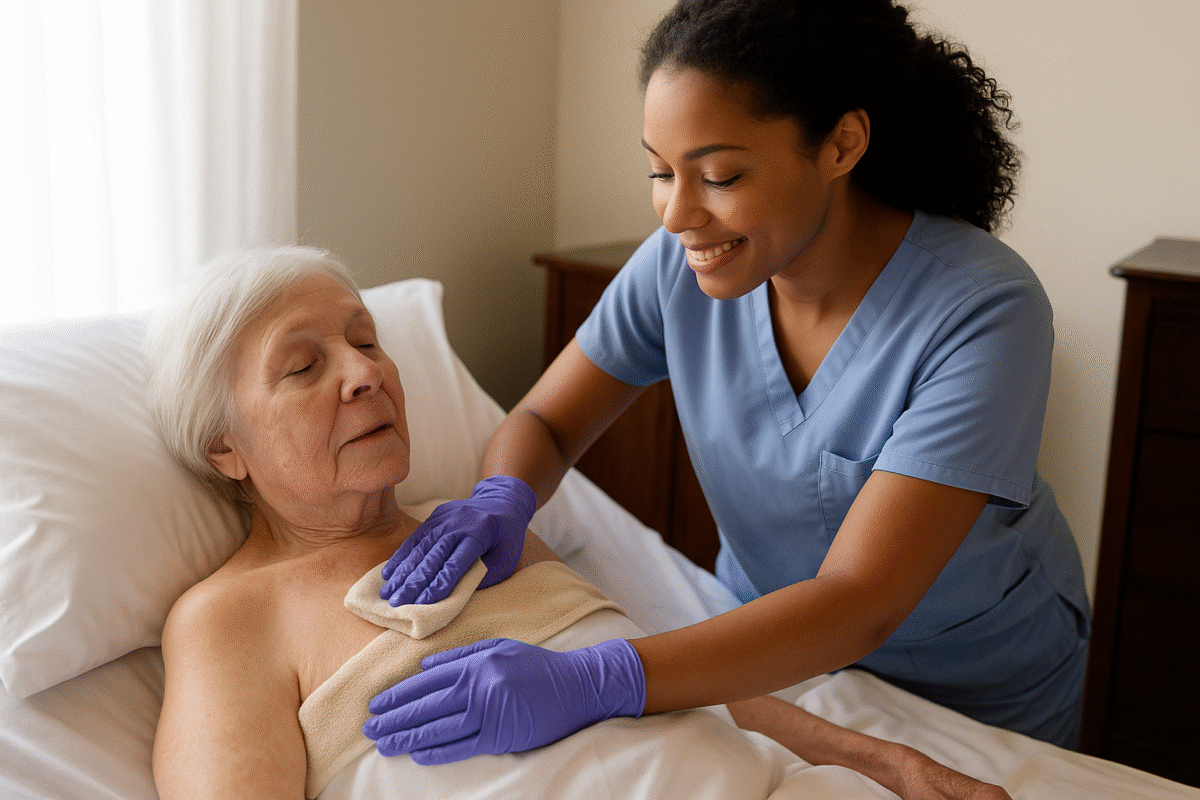
- Use soapy water and a clean cloth to wash underarms, chest, and abdomen.
- Rinse with a damp cloth and dry well.
- Hands and nails
- Clean hands and between fingers.
- Trim nails only if trained; otherwise, file gently.
- Perineal care (privacy-first)
- Change gloves before perineal care.
- Use gentle front-to-back wipes for women and careful washing for men.
- Replace soiled linens immediately.
- Apply barrier cream for incontinence-prone skin.
- Back and buttocks
- Help the person turn slightly toward you or roll them gently.
- Clean the back and buttocks, rinse, and dry well.
- Legs and feet
- Support joints and clean from thigh to toes.
- Check between toes for issues and dry thoroughly.
- Final steps
- Apply moisturizer to dry skin except between toes.
- Dress in clean clothes and change bedding if needed.
- Dispose of waste and wash hands.
Repeat instructions softly and check comfort frequently. Follow care orders for special dressings or devices. Practicing this routine helps you master how to bathe an elderly person in bed with respect.
Positioning, transfers, and safety tips
Good positioning reduces pressure and strain. Use these tips.
- Use a gait or transfer belt if the person can assist.
- Use draw sheets to slide someone gently.
- Keep knees and hips supported during turns.
- Use pillows to keep comfortable positions and protect bony areas.
- Never lift alone if the person is heavy or unsteady. Ask for help.
Maintain good body mechanics. Bend at the knees and keep your back straight. This protects both you and the person you care for. Practicing safe moves makes how to bathe an elderly person in bed less stressful.

Skin care, hygiene, and infection prevention
Older skin is thin and dry. It needs gentle care.
- Use mild, pH-balanced cleansers. Avoid harsh soaps.
- Pat skin dry; do not rub.
- Apply fragrance-free moisturizers daily.
- Use barrier creams for incontinence or redness.
- Watch for pressure ulcers, redness, or persistent moisture.
- Change soiled linens quickly to reduce infection risk.
If you see open wounds, increasing redness, pus, or fever, stop and contact a clinician. Proper hygiene is central to how to bathe an elderly person in bed safely.
Special situations: wounds, drains, dementia, and incontinence
Adjust the routine to match specific needs.
- Wounds and drains: Follow medical orders. Clean around but do not saturate dressings unless instructed.
- Dementia: Use calm talk, familiar music, and short steps. Offer choices to reduce resistance.
- Incontinence: Use absorbent pads, frequent changes, and barrier creams.
- Fragile skin: Avoid hot water, scrubbing, or adhesive that can strip skin.
When in doubt, ask a nurse. Good planning improves comfort and outcomes when you need to know how to bathe an elderly person in bed with complex needs.
Common concerns and quick answers
Q: How often should I give a bed bath?
A: Most people benefit from a full wash two to three times a week, with spot cleaning daily. Frequency varies by personal needs, skin condition, and clinical orders.
Q: What if the person refuses care?
A: Respect feelings and offer choices. Try again later, use calm reassurance, and involve a trusted family member if needed.
Q: Is soap necessary for every wash?
A: No. Use soap where there is visible dirt or odor. For fragile skin, plain water or no-rinse cleansers can work well.
Common mistakes and tips from real experience
Here are practical lessons I learned from years of caregiving.
- Mistake: Exposing the whole body at once. Tip: Keep them covered except for the area you wash.
- Mistake: Rushing the routine. Tip: Move slowly and check comfort often.
- Mistake: Failing to prepare supplies first. Tip: Gather everything before you start.
- Mistake: Neglecting the caregiver’s posture. Tip: Raise the bed and use helpers for heavy moves.
A compassionate approach helps. I once learned the value of small kindnesses—warm towels, a familiar song—that turned a tense bath into a calm moment. Those choices matter when learning how to bathe an elderly person in bed.
2–3 PAA-style quick questions with concise answers
What is the safest water temperature for a bed bath?
- Aim for 100–105°F (38–40°C). Test with your wrist to avoid burns and chills.
Can I use pre-moistened wipes for a full bed bath?
- Yes for quick cleanups or fragile skin. For heavy soiling, a full wash with warm water is better.
How do I keep dignity during a bed bath?
- Keep them covered, explain steps, and offer control over small choices like towel placement.
Frequently Asked Questions of How to bathe an elderly person in bed
How often should I perform a full bed bath for an elderly person?
Most people need a full bed bath two to three times per week, with spot cleaning daily as needed. Adjust frequency for skin condition, incontinence, or clinical guidance.
Is it safe to use a basin of water in the bed?
Yes, if you use a stable basin and protect bedding with a waterproof pad. Keep water warm, change cloths often, and avoid splashes.
How do I prevent pressure sores during a bed bath?
Support bony areas with pillows, change position often, and keep skin clean and dry. Use barrier creams and report any red or broken skin to a clinician.
What should I do if the person has dementia and resists washing?
Use short steps, offer choices, and build a routine. Try calming techniques like soft music, gentle touch, and involving a familiar face.
Can family caregivers safely do bed baths at home?
Yes, with proper training and preparation. Learn safe transfer methods, gather supplies, and ask for help with heavy lifts. Follow any medical care instructions closely.
How do I manage perineal care without causing embarrassment?
Explain each step, maintain privacy, and use a towel to cover non-washed areas. Be gentle, work quickly, and offer reassurance throughout.
What signs indicate I should contact a medical professional after a bed bath?
Contact a clinician for new wounds, increasing redness, swelling, pus, fever, or severe pain. Changes in skin or drainage can signal infection.
Conclusion
Bathing an older adult in bed is a skill that blends safety, hygiene, and compassion. Use preparation, gentle technique, and clear communication to make the process easier for both of you. Practice the step-by-step routine, watch for skin changes, and ask for help when needed. Try one small change today—set up a warm towel or gather all supplies before you begin—and notice how much more relaxed the experience becomes. If this guide helped, share your story or subscribe for more practical caregiving tips.

Michael Reynolds is a senior contributor at RetirementGazette.com, where he focuses on helping readers navigate the journey toward a secure and fulfilling retirement. With over a decade of experience in personal finance, retirement planning, and lifestyle writing, Michael combines practical strategies with easy-to-understand guidance tailored for both pre-retirees and those already enjoying their golden years.