
Increase sodium by careful diet changes, fluid balance, medication review, and doctor oversight.
I write about health care for older adults. I have managed elderly care plans and helped families and nurses improve lab results. This article explains how to increase sodium levels in the elderly with safe, practical steps. Read on for clear action plans, food ideas, and medical guidance that work in real life.

Why sodium matters in older adults
Sodium keeps fluids and nerves working well. Low sodium, or hyponatremia, can cause confusion, falls, and weakness. Older adults face higher risk due to meds, illness, and body changes. Knowing how to increase sodium levels in the elderly helps lower complications and improve daily life.

Common causes of low sodium in the elderly
Many factors can lower sodium in older people. Medications like diuretics and some antidepressants cause losses or water retention. Chronic conditions such as heart failure, kidney disease, and liver disease change how the body handles salt. Too much water, poor food intake, and SIADH also lower sodium. If you study how to increase sodium levels in the elderly, you must first spot the cause.
Signs, diagnosis, and when to seek care
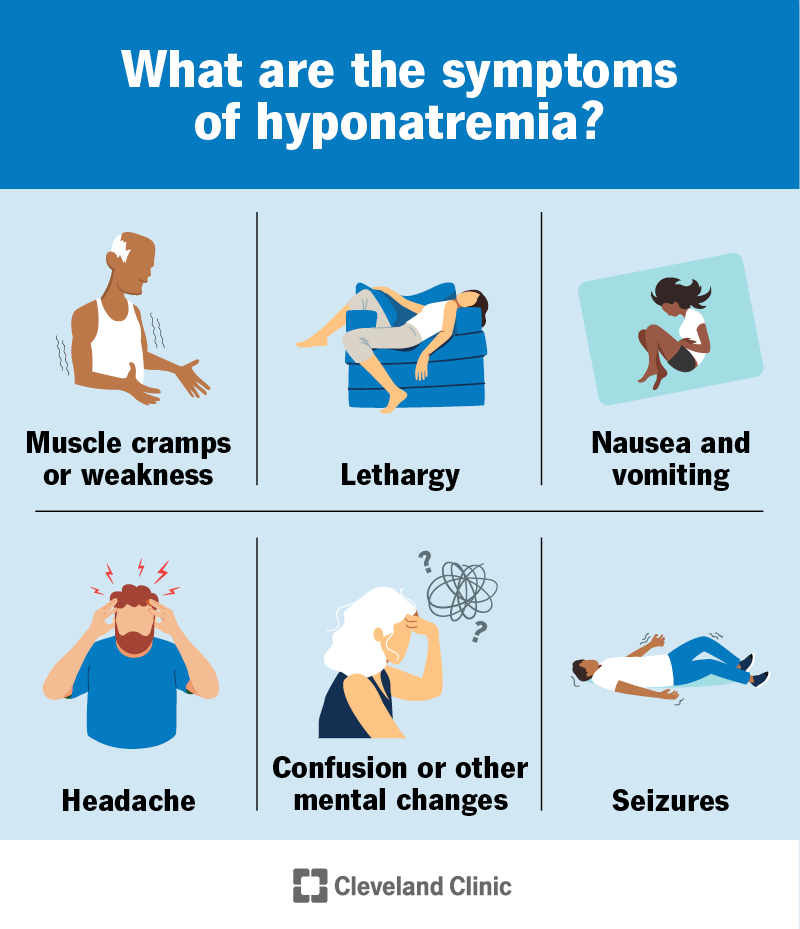
Symptoms vary from mild to severe. Expect fatigue, dizziness, confusion, cramps, and nausea. Severe drops bring seizures or loss of consciousness. Diagnosis needs a serum sodium lab test and a review of meds and fluids. If you suspect low sodium, act quickly and contact a clinician to find how to increase sodium levels in the elderly safely.
Practical ways to increase sodium levels in the elderly
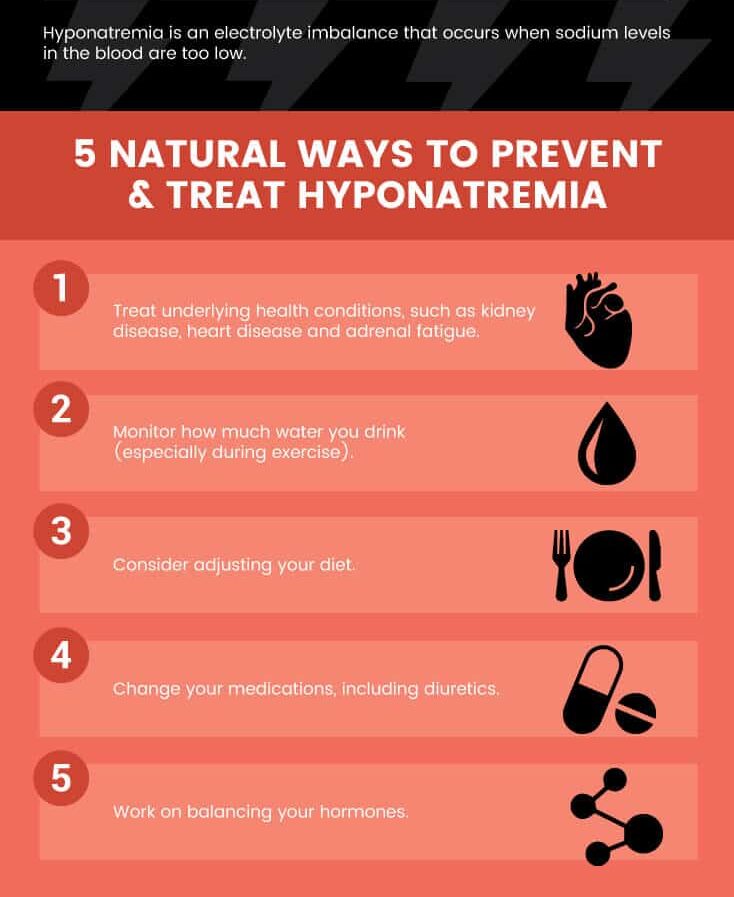
Start with a careful plan. Work with a doctor to set targets. Use one or more of these safe steps.
- Review medications with a clinician to stop or change drugs that lower sodium.
- Adjust fluid intake as advised. Sometimes fluids are limited to raise sodium.
- Add modest extra salt in foods when safe for heart health.
- Use salty broths, stocked soups, and pickled vegetables for easy sodium boosts.
- Consider oral salt tablets only under doctor guidance.
- Treat underlying causes like heart failure or SIADH, which may need specific drugs.
- For severe hyponatremia, a hospital may give IV saline under strict monitoring.
When learning how to increase sodium levels in the elderly, remember each person needs a tailored plan. Rapid correction can harm the brain. Always use medical oversight.

Safe dietary tips and meal ideas
Food is the easiest tool at home. Choose tasty, simple options that add sodium without heavy effort.
- Use low-effort broths and bouillon to raise sodium in soups and porridge.
- Offer canned beans, olives, or pickles in small amounts for quick sodium.
- Add a pinch of table salt to cooked veggies or eggs if a doctor approves.
- Serve salted crackers or cheese as snacks for people with poor appetite.
- Balance sodium increases with heart health needs; monitor blood pressure and talk to a clinician.
If you wonder how to increase sodium levels in the elderly through meals, aim for small, consistent changes. Try one new item per day and track symptoms and labs.
 treatments, monitoring, and precautions”
style=”max-width: 100%; height: auto; border: 2px solid black; border-radius: 10px; display: block; margin: 0 auto;”
loading=”lazy”
/>
Medical treatments, monitoring, and precautions
Medical care is the backbone for moderate and severe cases. Treatments depend on how low sodium is and why it dropped.
- Mild cases can improve with diet and med changes plus lab checks.
- Fluid restriction helps when excess water causes low sodium.
- Oral salt tablets may be prescribed for chronic mild hyponatremia.
- Severe cases may need hypertonic IV saline in hospital with frequent sodium checks.
- Correct sodium slowly to avoid osmotic demyelination syndrome. This risk is real. Good monitoring prevents harm.
When addressing how to increase sodium levels in the elderly medically, use a team approach. Doctors, nurses, and caregivers should share clear targets and lab plans.
Monitoring, prevention, and long-term care
Prevention reduces future episodes. Small habits matter.
- Track daily weight to spot fluid changes early.
- Keep a current medication list and review it often.
- Teach caregivers to notice confusion, muscle cramps, or low appetite.
- Schedule regular lab checks after therapy changes.
- Make a simple care plan that states when to call the clinician.
Learning how to increase sodium levels in the elderly means also learning how to keep levels steady. Routine checks make a big difference.
Personal experience and practical tips
I have helped older patients raise low sodium after hospital discharge. A simple change like adding broth to breakfast oats raised labs for one patient within days. We stopped a diuretic and switched to a safer med for another person, which kept sodium steady. My main lesson: small steps work best. Always test one change at a time and log results.
Quick PAA-style questions
What causes low sodium in older adults?
Many causes exist. Meds, chronic illness, excess fluids, and poor intake often play a role.
Can diet alone fix hyponatremia?
Diet helps mild cases if a doctor agrees. Moderate or severe drops usually need medical care.
How fast should sodium be corrected?
Slowly and carefully. Rapid correction can cause brain injury. Follow a clinician’s plan.
How to increase sodium levels in the elderly with heart disease?
Work closely with the heart team. Use small dietary changes and avoid aggressive sodium that harms blood pressure. Medical treatment may be safer.
How to increase sodium levels in the elderly at home safely?
Start with small food changes, monitor symptoms, and check labs. Always talk to a clinician first.
Frequently Asked Questions of How to increase sodium levels in the elderly
What is a safe daily sodium target for older adults with low sodium?
A clinician sets the target based on lab levels and heart health. Often the change is small and closely monitored.
Are salt tablets safe for seniors?
They can be safe if prescribed and supervised. Improper use can raise blood pressure or harm the heart.
How quickly will sodium improve after dietary changes?
Mild cases may show lab improvement in days to a week. More serious cases take longer and need medical care.
Can stopping fluid help increase sodium?
Yes. Reducing excess fluid often helps when water overload causes low sodium. Do not limit fluids without medical advice.
When is hospital treatment needed?
Hospital care is needed for severe symptoms, very low sodium, or rapid drops. Emergency treatment can be lifesaving.
Will changing medications fix low sodium?
Sometimes. Adjusting or stopping drugs that cause hyponatremia can restore balance. This should be done by a prescriber.
Conclusion
Raising sodium in older adults is often simple but must be safe. Use diet, fluid plans, medication review, and medical treatment when needed. Start small, test changes, and monitor labs. Your next step: talk with your clinician, make a simple plan, and track results. Share your experience below or subscribe for more practical guides on senior health.

Michael Reynolds is a senior contributor at RetirementGazette.com, where he focuses on helping readers navigate the journey toward a secure and fulfilling retirement. With over a decade of experience in personal finance, retirement planning, and lifestyle writing, Michael combines practical strategies with easy-to-understand guidance tailored for both pre-retirees and those already enjoying their golden years.