
You can obtain power of attorney by having your parent sign a legal POA document while they are mentally able.
Getting power of attorney for an elderly parent can feel complex and emotional. I have helped families navigate this process, and this guide breaks down exactly how to get power of attorney for an elderly parent step by step, so you can act confidently and protect your loved one. Read on for clear steps, real-life tips, and things to watch for when arranging power of attorney for an elderly parent.

Understanding what power of attorney is and why it matters
Power of attorney is a legal tool that lets one person act for another. When you learn how to get power of attorney for an elderly parent, you gain a way to help with money, medical care, or both. This prevents delays in bills, care decisions, and long court cases if your parent becomes unable to sign documents.
Common reasons families seek power of attorney for an elderly parent:
- The parent has early cognitive decline and needs help with finances.
- The parent will be out of the country or in a care facility.
- Preparing for possible future incapacity to avoid guardian court.

Source: alwaysbestcare.com
Types of power of attorney and which one you need
Understanding the types helps you choose properly. Each type serves a different role when you get power of attorney for an elderly parent.
Main types:
- Financial durable power of attorney: Lets you manage bank accounts, pay bills, file taxes.
- Medical (healthcare) power of attorney: Lets you make medical decisions if the parent cannot speak.
- Springing power of attorney: Becomes active only when a specific event happens, like a doctor’s certification of incapacity.
- Limited or specific power of attorney: Covers only a named task or time frame.
Durable POA is usually best for elderly parents because it stays active if they lose mental capacity. Make your choice based on needs and goals.

Step-by-step: How to get power of attorney for an elderly parent
Follow these simple steps to get power of attorney for an elderly parent without surprises.
-
Start the conversation early
- Talk to your parent about their wishes for finances and care.
- Be gentle and clear. Share examples to make the idea practical.
-
Assess capacity
- Confirm your parent can understand and sign legal forms.
- If there is doubt, get a doctor’s note or mental health evaluation.
-
Choose the agent carefully
- Pick someone honest, organized, and trusted by the parent.
- Consider backup agents in the document.
-
Decide powers and limits
- List the exact powers you want the agent to have.
- Limit access if needed, such as excluding sale of home.
-
Use a state-compliant form or attorney
- Laws differ by state, so use forms that meet state rules.
- For complex estates, hire an attorney to draft durable language.
-
Sign with proper witnesses and notary
- Most states require witnesses and/or a notary.
- Follow state signing rules exactly to avoid later challenges.
-
Distribute copies and file where needed
- Give copies to banks, doctors, and care facilities.
- Some counties allow voluntary filing of POA documents.
-
Review and update regularly
- Revisit the POA after major life events or moves.
- Ensure agents know their duties and limits.
Using these steps will guide you to legally get power of attorney for an elderly parent and reduce future conflict.
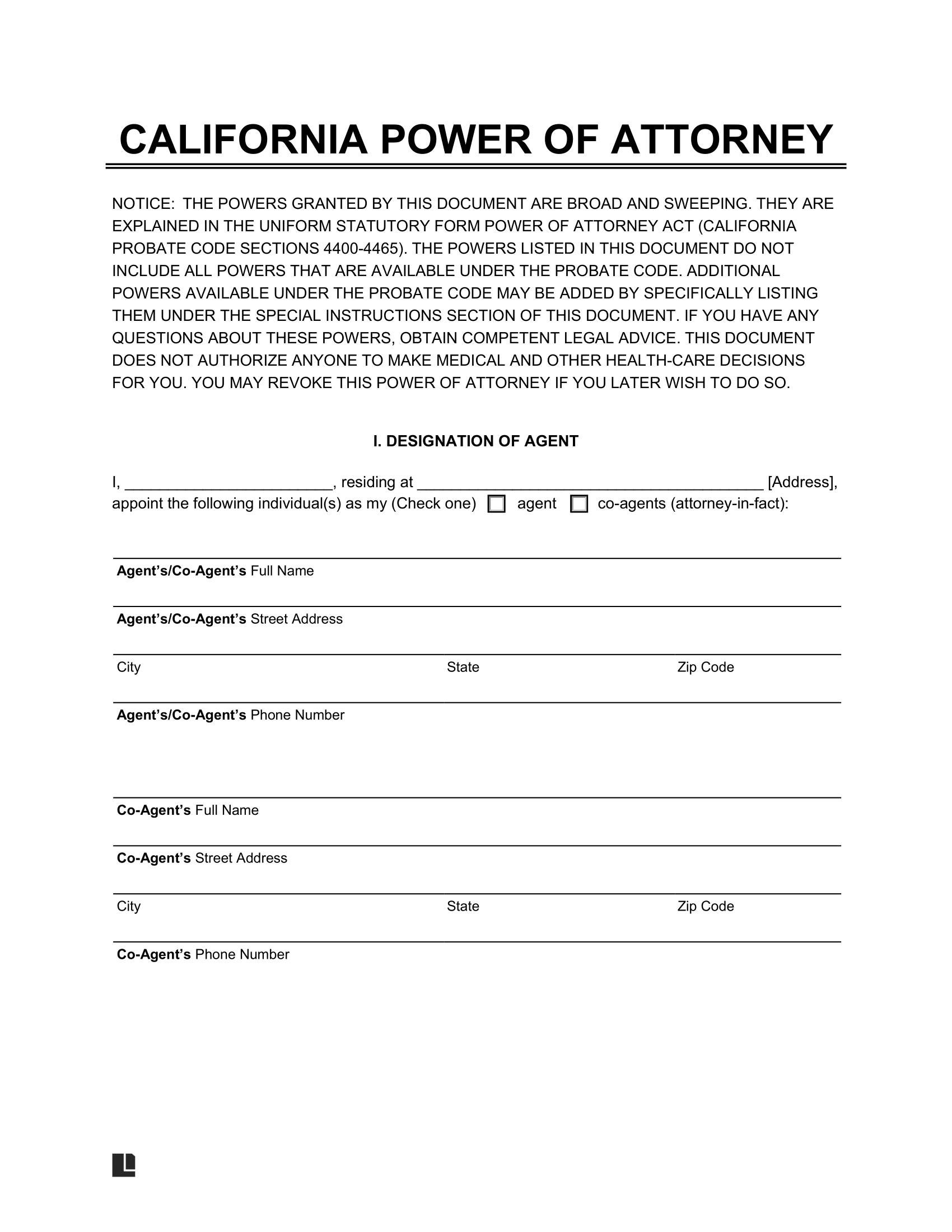
Checking capacity and timing: when to act
Timing matters a lot when you get power of attorney for an elderly parent. If you wait until severe dementia, courts may rule the parent lacked capacity to sign.
How to check capacity:
- Look for clear understanding: Can they name assets and explain choices?
- Ask a physician for an evaluation if you suspect issues.
- Use a professional test when in doubt to make the POA hard to contest.
Act early. Early action avoids guardianship and reduces family stress.

Working with professionals: lawyers, doctors, and financial advisors
You do not have to go it alone when you get power of attorney for an elderly parent. Professionals help ensure documents are valid and that the plan fits financial and medical realities.
Who to consult:
- An elder law attorney for durable POA language and state rules.
- A physician or psychiatrist for capacity assessments when needed.
- A financial planner or CPA for tax and asset management advice.
In my experience, a short attorney consult prevents long legal fights later. Paying for expert help is often cheaper than a court battle.

Record keeping and responsibilities of the agent
A POA agent has legal duties. Good record keeping protects both the agent and the parent.
Agent responsibilities:
- Act in the parent’s best interest and avoid conflicts.
- Keep clear records of transactions and decisions.
- Provide accountings to family if asked or when required.
Practical record tips:
- Use a separate spreadsheet for POA transactions.
- Save receipts and bank statements for all actions taken.
- Send periodic summaries to the parent if possible.
Clear records make the process transparent and protect against accusations of misuse.

Common pitfalls and how to avoid them
Avoid these frequent mistakes when you get power of attorney for an elderly parent.
Common pitfalls:
- Waiting too long and facing questions about capacity.
- Choosing an unsuitable agent without checks.
- Using generic forms that do not meet state requirements.
- Failing to notarize or witness as state law requires.
How to avoid them:
- Start early and communicate.
- Vet candidates and name backups.
- Use state-compliant forms or an elder law attorney.
- Follow signing rules exactly.
These simple steps cut risk and keep care smooth.

Real-life experience, lessons, and practical tips
From working with families, I learned small choices matter when you get power of attorney for an elderly parent.
What helped most:
- Having the parent explain their reasoning on video or in writing.
- Creating a folder with bills, account numbers, and passwords.
- Meeting the agent and parent with a lawyer present.
Mistakes I’ve seen:
- Siblings surprised by choices because no one discussed wishes.
- Agents overwhelmed because no one outlined daily tasks.
- Legal forms rejected for missing notarization.
My best tip: treat the POA like a living plan. Revisit it every year.

Related documents and next steps
Power of attorney is one part of elder planning. Pair it with other documents for full protection.
Helpful documents:
- Living will or advance healthcare directive.
- HIPAA release to allow medical information sharing.
- Will and trusts for asset distribution.
- Long-term care plan and insurance review.
Next steps to get started:
- Talk to your parent and choose an agent.
- Gather financial and medical records.
- Contact an elder law attorney or use state-approved forms.
Frequently Asked Questions of How to get power of attorney for an elderly parent
How do I start the conversation about power of attorney with my parent?
Begin with care and listen. Focus on safety and convenience, and explain this is about their wishes and comfort.
Does the parent have to be incapacitated to sign a power of attorney?
No. The parent must have decision-making capacity at signing. Signing early is usually recommended to avoid future problems.
What if my parent refuses to give power of attorney?
You can’t force them. Respect their choice, keep discussing options, and consider alternatives like joint accounts or a healthcare proxy.
Can one child be the agent if other siblings disagree?
Yes, legally one child can be agent if the parent chooses them. Clear communication and documentation help reduce family conflict.
How long does a power of attorney last?
A durable power of attorney lasts until revoked by the principal, the principal dies, or a court removes the agent. Specifics can vary by state.
Conclusion
Getting power of attorney for an elderly parent gives you a clear legal path to help when it matters most. Start early, choose the right type, document capacity, and work with trusted professionals to create a plan that honors your parent’s wishes. Take action this week: have a calm conversation, gather key documents, and set a short meeting with an elder law attorney or notary to move forward. Share your experience or questions below and subscribe for more practical eldercare guides.

Michael Reynolds is a senior contributor at RetirementGazette.com, where he focuses on helping readers navigate the journey toward a secure and fulfilling retirement. With over a decade of experience in personal finance, retirement planning, and lifestyle writing, Michael combines practical strategies with easy-to-understand guidance tailored for both pre-retirees and those already enjoying their golden years.