Plan finances, communicate clearly, transfer knowledge, and leave relationships intact.
I’ve spent years helping people plan life changes and guiding colleagues through transitions. This article explains how to gracefully retire from a job with clear steps, real-world examples, and practical checklists. You’ll learn how to prepare financially, manage emotions, hand off work, protect reputation, and start the next chapter with confidence. Read on for a step-by-step guide rooted in experience and best practices for how to gracefully retire from a job.

Why graceful retirement matters
Retiring well protects your finances, relationships, and legacy. A graceful exit keeps doors open and reduces stress for you and your team. When you learn how to gracefully retire from a job, you leave with respect, references, and the freedom to enjoy what comes next.
A thoughtful retirement also helps your employer keep projects on track. Smooth transitions lower the risk of lost knowledge and damaged morale. That matters for your professional reputation and future opportunities.

Financial and practical preparation
Good retirement starts with clear numbers. Prepare a budget, check benefits, and test your cash flow before you stop working. Knowing the details makes retiring less risky and more peaceful.
Key financial steps
- Estimate yearly retirement spending and compare to income. Include taxes, housing, and health costs.
- Check retirement accounts and withdrawal rules for 401(k), IRA, and pensions.
- Review Social Security timing and expected benefits.
- Plan health coverage: COBRA, retiree plans, or marketplace insurance.
- Build an emergency fund that covers 6–12 months of expenses.
Practical tasks to complete
- Pay down high-interest debt before you leave.
- Update estate documents and beneficiary designations.
- If you plan phased retirement or consulting, set rates and boundaries early.
- Consider tax implications of large withdrawals and required minimum distributions.
PAA-style questions
- When should I start planning retirement? Start at least 3–5 years before your target date to adjust savings, test budgets, and prepare documents.
- How much money do I need to retire comfortably? Aim for 70–90% of your current income as a starting rule, then adjust for personal goals and healthcare needs.
I once shifted to part-time consulting for six months before full retirement. That period let me confirm my budget and get used to slower workdays. It made the ultimate leap less scary.
Emotional and professional steps
Retirement is both a financial move and an emotional one. Honesty with yourself and others helps you leave with dignity.
How to prepare emotionally
- Acknowledge mixed feelings. You may feel relief, loss, excitement, and doubt.
- Create routines early: hobbies, volunteering, or part-time projects help fill time and purpose.
- Talk with family and mentors about goals and fears.
Professional etiquette
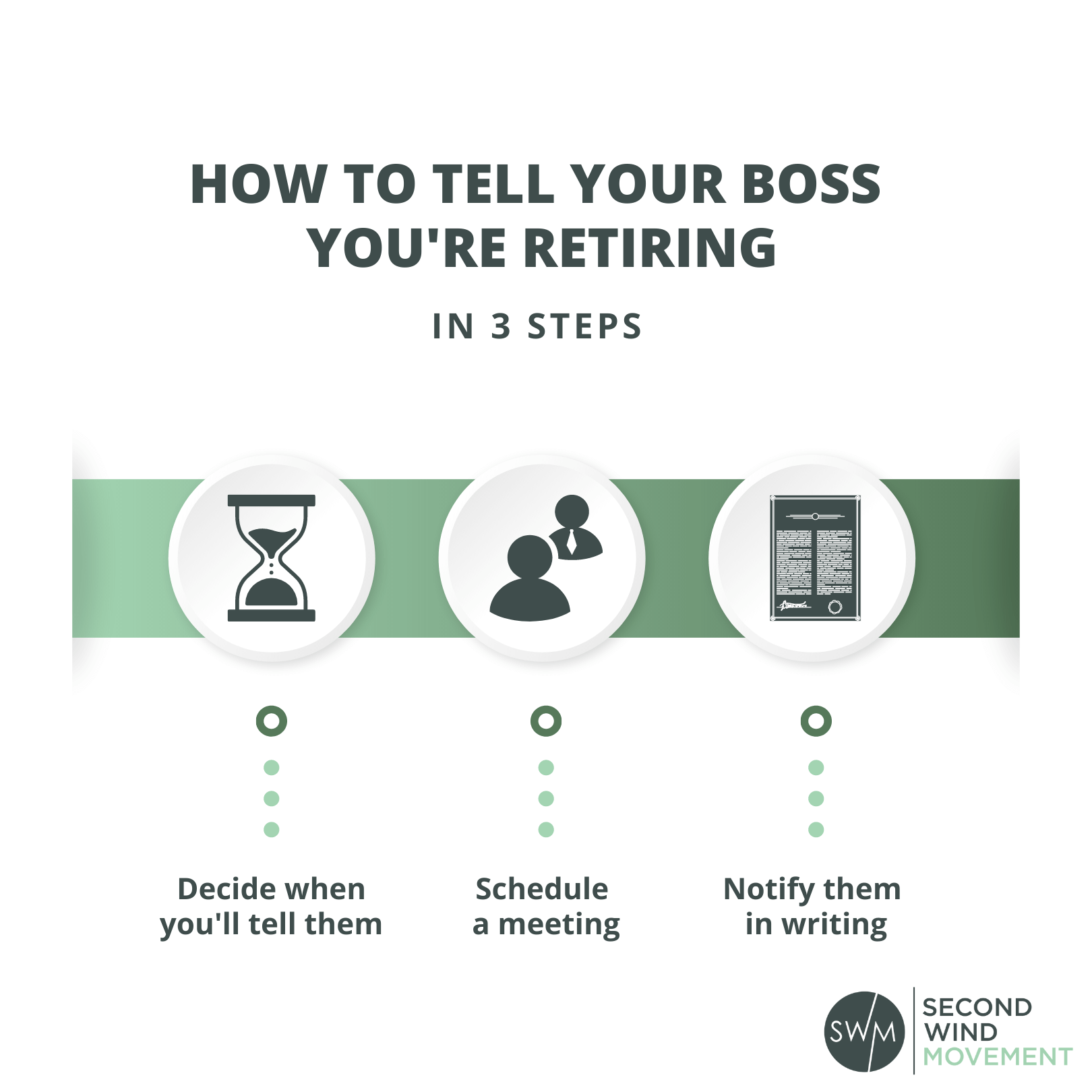
- Time your announcement to give your team enough notice.
- Be clear and positive about why you’re leaving and what you’ll do next.
- Offer to help recruit or train your successor.
- Keep answers short and supportive during exit interviews.
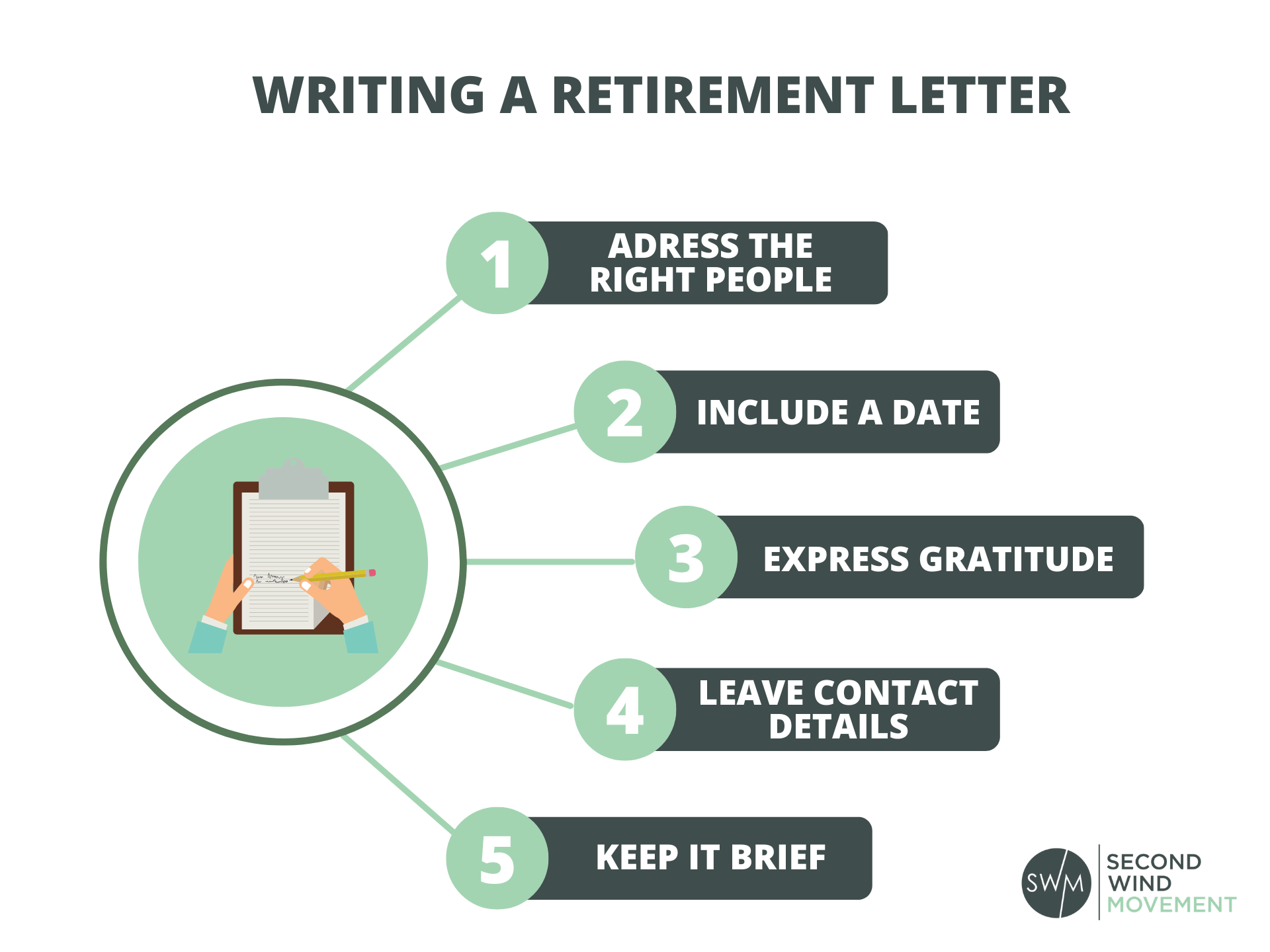
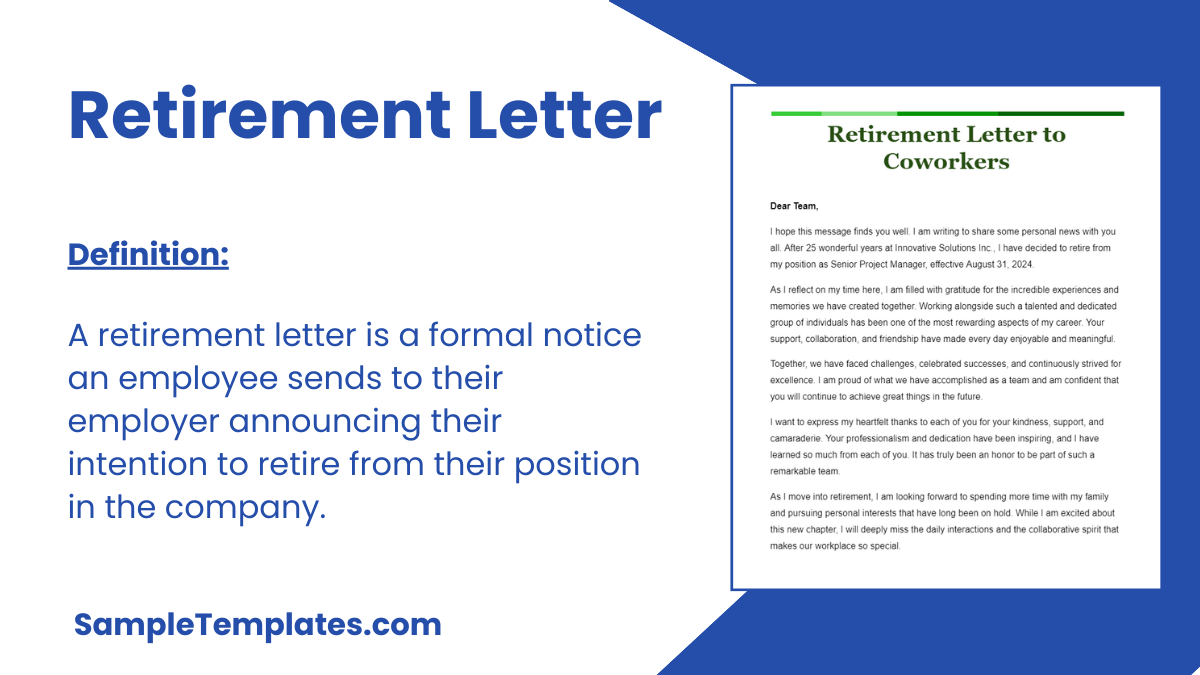
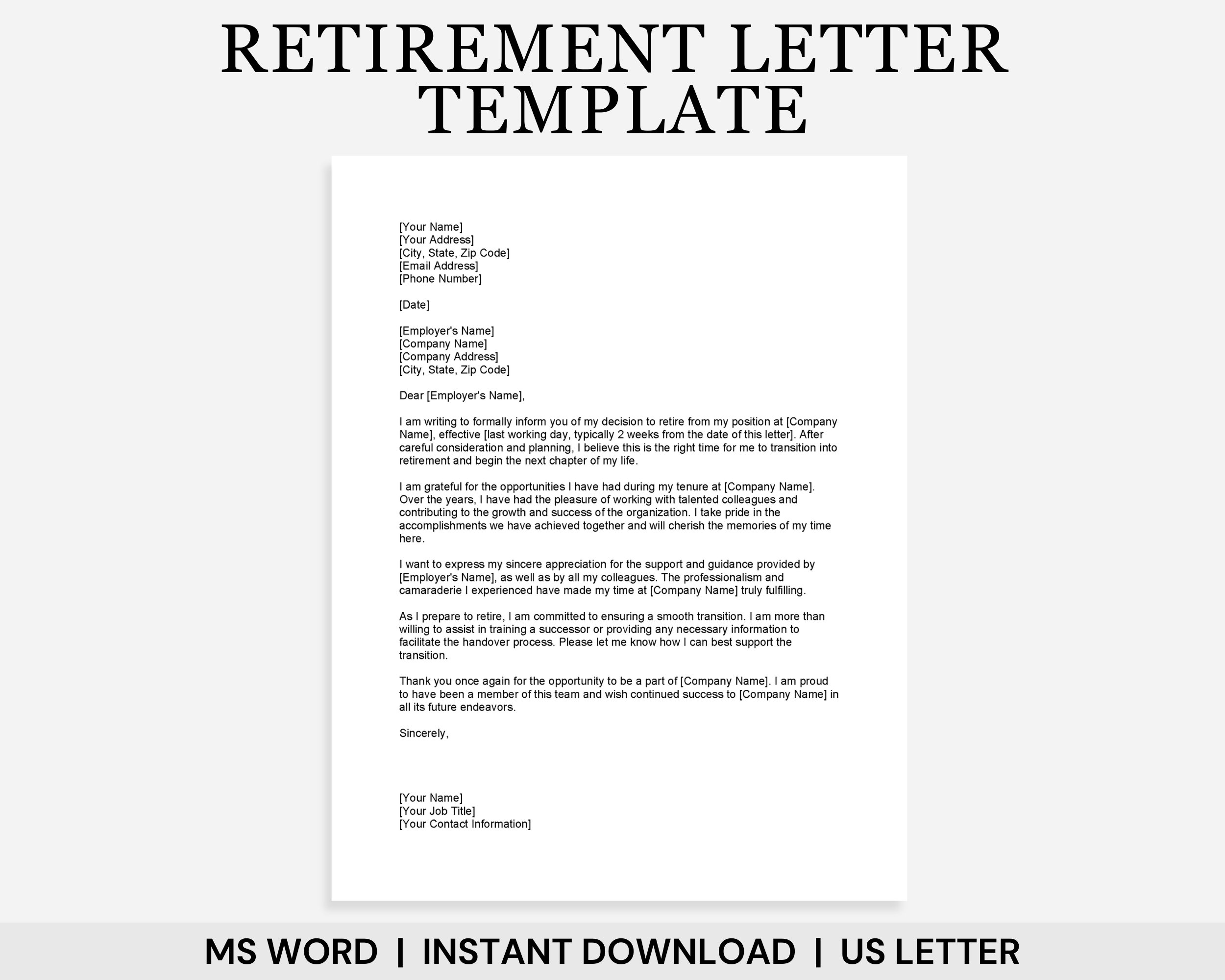
Sample short resignation script
- “I’m grateful for my time here. I plan to retire on [date]. I’ll help with the transition and documentation to ensure continuity.”
A calm, candid resignation preserves goodwill. After I announced my retirement, I scheduled weekly handoffs with my successor. That structure kept anxiety low for both of us.
Building a transition plan at work
A strong transition plan is the heart of retiring gracefully. Document tasks, train others, and set dates for handover events.
Transition checklist by timeline
- 3–6 months out
- List ongoing projects and deadlines.
- Identify potential successors or interim leads.
- Start documenting standard processes and contact lists.
- 1–2 months out
- Run shadowing sessions and knowledge transfer meetings.
- Create a single-page handover summary for each project.
- Agree on final responsibilities and sign-off points.
- Final week
- Share final documents and tools.
- Set up a 30/60/90-day plan for the successor.
- Send a thoughtful farewell note to the team.
What to include in a handover document
- Key contacts and vendor info.
- Access credentials and where files live.
- Status of projects, next steps, and deadlines.
- Lessons learned and tips for common issues.
I once kept a running “how-we-do-it” doc that saved hours for my successor. That small habit made the transition painless.
Maintaining relationships and reputation
Leaving well secures future options. Retain contacts, ask for references, and update your professional profiles.
Tips for preserving ties
- Thank key colleagues and managers personally.
- Offer to be available for brief follow-ups if needed.
- Ask for written references or LinkedIn recommendations before you leave.
- Update your LinkedIn headline and announcement after you’ve told the core team.
Boundaries and follow-up
- Set limits on post-retirement work to avoid unclear expectations.
- Schedule a final check-in two weeks after leaving to answer questions.
- Stay professional in any public messages about your retirement.
People remember how you treated them in leaving. A warm, professional exit creates goodwill that lasts.

Life after work: identity, routine, and purpose
Retirement is a chance to reinvent daily life. Plan routines and experiments to fill your time meaningfully.
Ways to spend your time
- Pursue a passion project, like gardening, writing, or art.
- Try part-time consulting to stay engaged and earn income.
- Volunteer or join boards to keep skills sharp and meet people.
- Travel slowly or locally to avoid burnout from too much travel.
Managing identity
- Expect a transition period where work no longer defines you.
- Try new roles gradually and give yourself permission to change.
- Keep a small habit of work-like structure if you miss it: morning walks, reading, or weekly planning.
I found volunteering at a community center gave me structure and a sense of impact after work. It helped me create a satisfying new rhythm.

Common mistakes to avoid
Avoiding common errors helps you retire with confidence and dignity.
Mistakes to avoid
- Leaving without a financial buffer or plan for benefits.
- Announcing too early and creating uncertainty for your team.
- Refusing to document or train a replacement.
- Burning bridges with abrupt or negative comments.
- Underestimating emotional changes and losing purpose.
Being proactive and humble reduces risks and preserves your legacy.
Frequently Asked Questions of how to gracefully retire from a job
How much notice should I give before retiring?
Give at least one to three months of notice, depending on your role and project cycles. More notice helps with recruitment and knowledge transfer.
Can I retire and still do part-time work?
Yes. Phased retirement or contract work is common and can ease the financial and emotional shift. Set clear terms to avoid blurred boundaries.
What paperwork should I complete before I leave?
Finalize benefits paperwork, update beneficiaries, complete handover documents, and request references. Confirm final pay and unused leave policies.
How do I handle the exit interview?
Be honest but constructive. Focus on improvements rather than complaints and offer solutions. Keep comments professional and brief.
How can I maintain income after retirement?
Consider part-time consulting, gig work, rental income, or dividends. Test options part-time before committing full-time.
Conclusion
Retiring gracefully means planning money matters, preparing professionally, and tending to your emotional life. Follow a timeline for finances, handoffs, and relationship-building so you leave with confidence and open doors. Start small today: draft a budget, write a handover outline, or schedule a retirement chat with your manager. Taking one step now makes the final transition smoother and more joyful. If this guide helped, leave a comment, share your retirement experience, or subscribe for more practical advice on life transitions.

Michael Reynolds is a senior contributor at RetirementGazette.com, where he focuses on helping readers navigate the journey toward a secure and fulfilling retirement. With over a decade of experience in personal finance, retirement planning, and lifestyle writing, Michael combines practical strategies with easy-to-understand guidance tailored for both pre-retirees and those already enjoying their golden years.