
You can retire early with low savings by changing habits, increasing income, and smart investing.
I’ve helped people rebuild finances and reach freedom faster than they expected. This guide explains how to retire early with low savings in clear, practical steps. I mix real-world experience, simple math, and proven tactics so you can start now — even if your nest egg feels small. Read on to get plans, examples, and tools that work for real life.
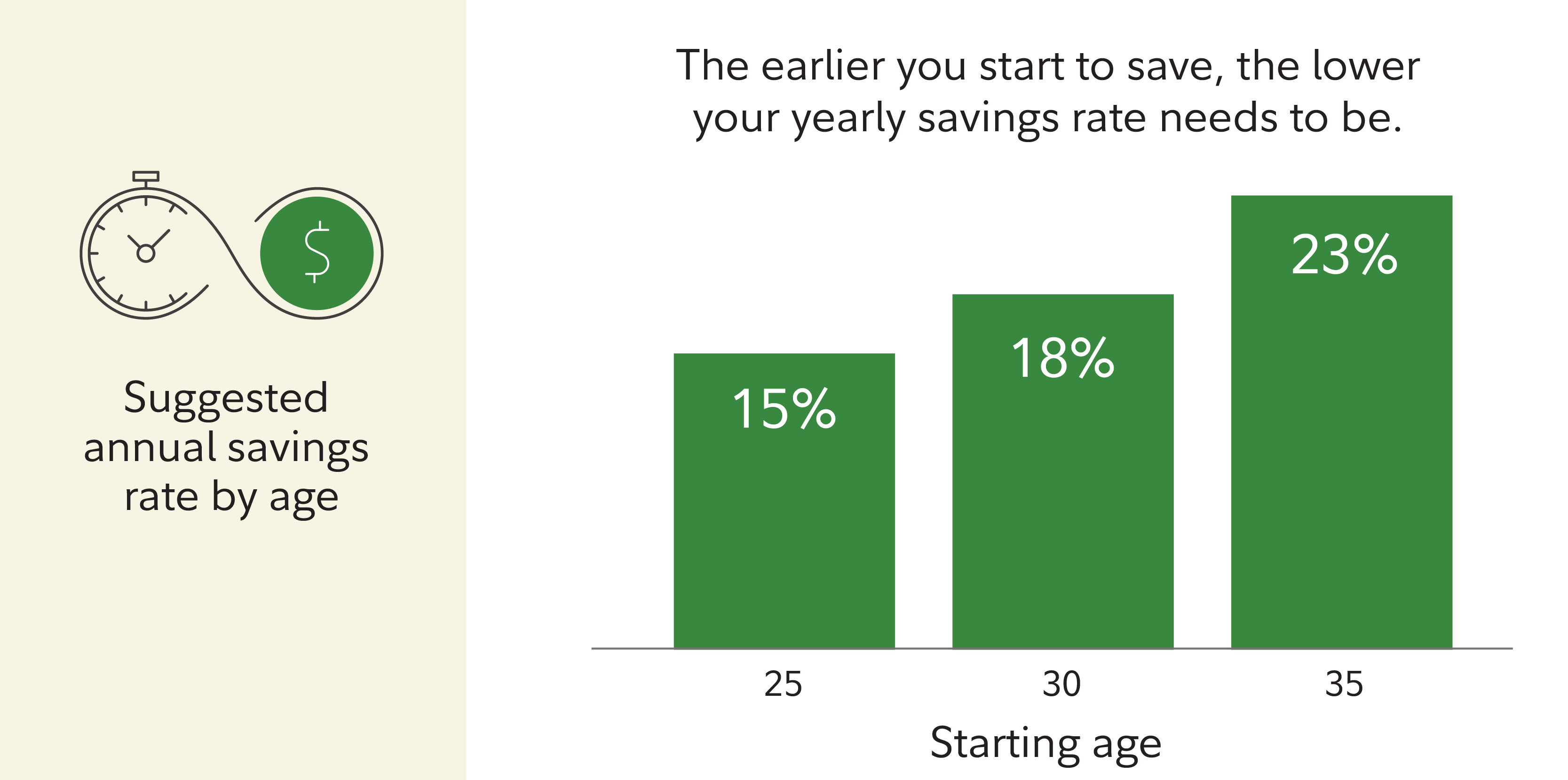
Why early retirement with low savings is possible
Many assume you need a big nest egg. That is not always true. How to retire early with low savings starts with mindset, tradeoffs, and planning. Small savings can grow fast when you cut costs and invest wisely.
You also change what “retire early” means. It might mean part-time work, a lower-cost life, or income from side projects. Those choices let you leave full-time work sooner. Studies and real stories show that flexible plans beat rigid rules.
Key ideas to accept up front:
- Focus on cash flow, not just account size.
- Reduce fixed costs that eat your income.
- Build multiple small income streams that replace work pay.

Source: amazon.ae
Core strategy: the four levers to pull
To learn how to retire early with low savings, work each lever together. The levers are income, spending, investing, and timing. Change one lever and you get some benefit. Change all four and progress accelerates.
Simple steps to follow:
- Increase income with a side job or better pay.
- Cut expenses to raise your savings rate.
- Invest consistently to earn compound returns.
- Delay full retirement by a few years, or shift to part-time work.
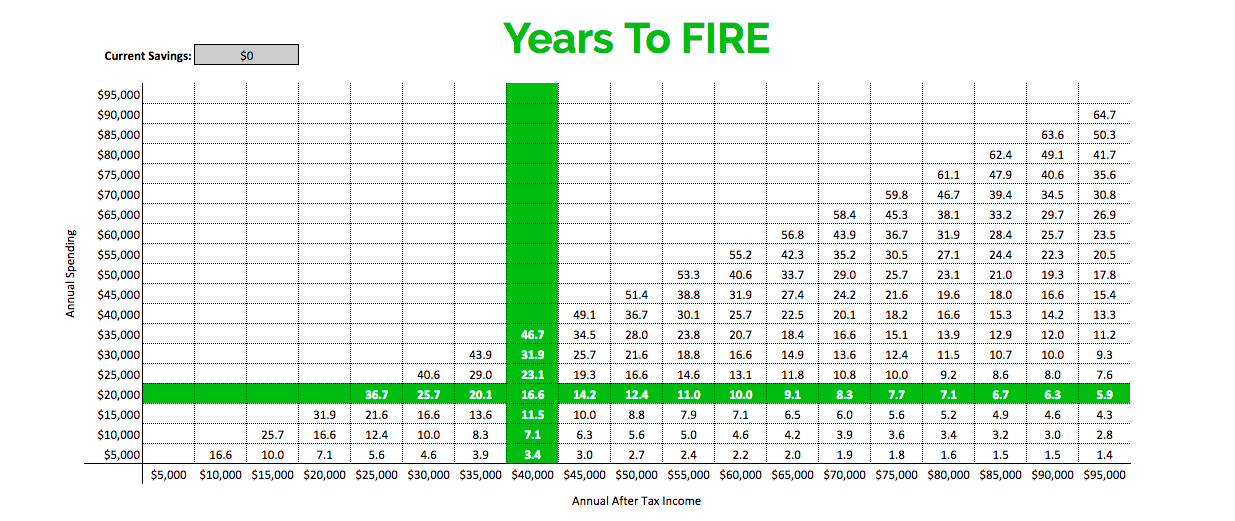
These moves are additive. A small raise plus a 20% expense cut can be bigger than a big market gain. Use math to test scenarios. I often run quick spreadsheets with clients to show the outcome.
Source: planeasy.ca
Step-by-step plan you can use today
This plan shows how to retire early with low savings in practical steps. Each step is short and doable.
- Calculate your bare-bones monthly spending.
- Set a target: how much passive income you need.
- Build a 3–6 month emergency fund.
- Increase your savings rate by 10% this month.
- Put savings into low-cost index funds or high-yield cash for short-term needs.
- Launch one side income that fits your skills.
- Reassess each 6 months and tweak.
Example math: if you need $2,000 per month to live, that is $24,000 per year. With a 4% safe withdrawal mindset, a $600,000 portfolio would be ideal. But you can instead mix part-time income of $1,200 and a $300,000 portfolio to reach that same gap. The math lets you trade portfolio size for income or lower spending.

Source: amazon.ae
Investment options for small balances
Investing with low savings is possible. Choose low-cost, scalable options that fit your time horizon.
- Low-cost index funds
- Buy fractional shares. It reduces the cash barrier.
- Set automatic monthly contributions.
- Roth IRAs or tax-advantaged accounts
- Small contributions grow tax-free over time.
- Dividend ETFs and DRIP strategies
- Reinvested dividends compound faster.
- Micro real estate and crowdfunding
- Use small minimums to get started.
- High-yield savings or short-term bonds for near-term needs
- Protect short-term money from market swings.
I started my savings with automated index purchases of $50 a month. Over years, compounding and consistent buys beat timing the market for me.

Source: youtube.com
Living on less without feeling poor
Cutting costs is about choices, not misery. Trim big expenses first. Small habit changes add up.
Ways to cut:
- Housing: downsize, rent out a room, or move to a lower-cost area.
- Transport: buy used cars, bike, and reduce commuting days.
- Food: cook more, meal plan, and limit dining out.
- Subscriptions: cancel unused services and bundle where useful.
- Taxes and fees: use tax-advantaged accounts and avoid high advisory fees.
A family I worked with cut housing costs by 40% and used the saving to fund a side business. They reached semi-retirement in six years. Lifestyle changes can be empowering if framed as freedom-building.
Source: amazon.ae
Ways to raise income quickly and sustainably
Growing income is often the fastest path when savings are low. Focus on skills and scalable work.
Practical paths:
- Freelance or contract work in your field.
- Teach online courses or offer coaching.
- Build a niche side business with low overhead.
- Negotiate salary or ask for a promotion.
- Invest in skills that pay higher rates.
I doubled my freelance rates after adding one in-demand skill. It took time, but a focused effort made the extra income stick.

Source: yahoo.com
Manage risks: healthcare, sequence risk, and plan B
Risk management matters more when savings are small. A single big expense can derail plans.
Key protections:
- Maintain an emergency fund for 3–6 months of expenses.
- Get health coverage that you can afford; consider bridge plans or marketplace subsidies.
- Understand sequence-of-returns risk: avoid heavy market exposure right before you retire.
- Keep some liquid cash to avoid selling investments in a downturn.
Be honest about risks and plan for them. I once paused withdrawals during a market slump and used a small cash reserve. That move preserved portfolio growth.

Source: amazon.com
Personal experience: lessons I learned
I started with low savings and a heavy student loan. I used small wins to build momentum. I tracked every dollar and automated savings. I launched a side service and reinvested profits into index funds.
Important lessons:
- Small, consistent actions beat rare big moves.
- Tight budgets are temporary steps toward freedom.
- Side income often builds into more than extra cash — it becomes optional work.
My plan had setbacks. Markets fell and a client delayed payments. I tightened spending and kept saving. That resilience made retirement possible sooner than my original target.

Source: youtube.com
Common mistakes to avoid
Avoid these traps when planning how to retire early with low savings.
- Waiting for perfect timing before you start.
- Relying only on optimistic market returns.
- Ignoring health insurance and major risks.
- Not scaling income or learning new skills.
- Holding onto all cash and never investing.
Simple course corrections early spare years of delay later. Act now and adjust as you learn.
Tools, calculators, and resources to use
Use tools to test scenarios and stay on track. The right tool saves time and clarifies choices.
Useful tools:
- FIRE calculators to model withdrawal and work options.
- Budget apps that show where money goes each month.
- Brokerage accounts that allow fractional shares and automation.
- Income trackers for side gigs and freelance work.
- Community forums and mentors for accountability.
I use a simple spreadsheet to compare scenarios. It helps me see how a small side income or a modest cost cut changes my retirement date.
Frequently Asked Questions of how to retire early with low savings
How much do I need to retire early with low savings?
You don’t always need a large sum. Combine reduced spending, part-time work, and investments to cover your needs. Calculate your true monthly needs and design a plan to fill that gap.
Can I retire early with debt?
Yes, but reduce high-interest debt first. Pay down credit cards and expensive loans while keeping a small emergency fund. Use a mix of debt repayment and income increases.
What investments work best when I have little money?
Low-cost index funds, fractional shares, and tax-advantaged accounts are ideal. Start small and automate monthly buys to build steadily.
Is part-time work okay for early retirement?
Yes. Part-time or freelance work can replace income and lower the needed savings. Many early retirees use a mix of passive and active income.
How do I handle healthcare before Medicare?
Look for marketplace plans, spousal coverage, or part-time employer benefits. Maintain an emergency fund for medical surprises and compare plan costs carefully.
Conclusion
You can make real progress on how to retire early with low savings by combining smart cuts, income growth, and steady investing. Start with clear math, protect yourself with an emergency fund, and build at least one side income. Small steps done consistently create big results over time. Try one change this week: cut one recurring cost or add one small monthly investment. Share your progress or questions below, and consider subscribing for more practical guides.

Michael Reynolds is a senior contributor at RetirementGazette.com, where he focuses on helping readers navigate the journey toward a secure and fulfilling retirement. With over a decade of experience in personal finance, retirement planning, and lifestyle writing, Michael combines practical strategies with easy-to-understand guidance tailored for both pre-retirees and those already enjoying their golden years.