Introduction
To bathe someone in a shower chair, first make the bathroom safe, help the person sit before turning on the water, wash from clean areas to less-clean areas, and keep one hand or close contact available during every transfer. Never leave a person alone if they may slip, faint, fall, or have trouble standing.
This guide applies to homes in the United States. It is general information, not a substitute for instructions from a doctor, nurse, physical therapist, or occupational therapist. Ask a qualified professional for help if the person cannot safely transfer, cannot sit upright, or needs more lifting than you can manage.
What You Need Before the Shower
Gather all supplies before you start. Leaving the bathroom to get soap or a towel increases fall risk.
You may need:
- A stable shower chair with a back and armrests
- A nonslip bath mat outside the shower
- A handheld shower head
- Mild soap or cleanser
- Shampoo
- Washcloths
- Two or more towels
- Clean clothes
- Incontinence supplies, if needed
- A waterproof cover for a wound dressing, cast, or medical device
- A plastic bag or hamper for wet clothing
- A transfer belt, if a trained professional has shown you how to use one
Keep supplies within reach, but do not place bottles on the shower floor. Reaching down can make the person lean forward and lose balance.
Check the shower chair
Before each use, check that:
- All four legs touch the floor.
- The rubber tips are present and not worn.
- The chair does not rock.
- The seat is clean and dry.
- The height lets the person sit with both feet supported.
- The chair fits inside the shower.
- The weight limit meets or exceeds the person’s weight.
- The chair does not block the shower door or caregiver’s position.
Follow the chair maker’s instructions. A shower chair is not the same as a transfer bench. A shower chair is used inside the shower. A transfer bench extends outside the tub or shower area and may be better when a person cannot step over a tub wall.
Check the person’s condition
Do not begin until the person is alert enough to follow simple instructions, unless a trained caregiver has given you a different care plan.
Pause and seek professional advice if the person has:
- New weakness
- Severe pain
- Chest pain
- Trouble breathing
- Fainting or near-fainting
- New confusion
- A recent fall
- A new wound or bleeding
- A cast that must stay dry
- A medical device that may be affected by water
- A strong fear of water or transfers
If the person becomes faint, lower them to a safe position if you can do so without hurting yourself. Call 911 for a serious injury, loss of consciousness, breathing trouble, chest pain, or signs of a stroke.
How to Set Up the Bathroom Safely
Set up the bathroom before helping the person undress. A safe setup reduces rushed movements and keeps the caregiver close.
1. Remove fall hazards
Move away:
- Loose rugs
- Bathroom scales
- Laundry
- Small stools
- Cords
- Wastebaskets
- Soap that may fall to the floor
Use a properly fitted nonslip mat outside the shower. A mat inside the shower is not a substitute for a stable shower floor or chair.
2. Control the water
Turn on the water before the person enters if possible. Test it with your wrist or a bath thermometer. The water should feel warm, not hot.
Many U.S. home safety programs recommend setting household water heaters near 120°F (49°C) to reduce scald risk. Local plumbing codes and the person’s care plan may differ. People with reduced sensation may not feel dangerous heat, so test the water for them.
Do not aim a strong spray at the person’s face. Use a gentle flow and keep the handheld shower head where you can control it.
3. Improve privacy and warmth
Close the bathroom door if safe, but do not lock it. Keep the room warm. Have a large towel ready before the shower ends.
Cold air can make a person tense. Tension may make transfers harder, especially for someone with arthritis, Parkinson’s disease, or muscle weakness.
4. Position the chair
Place the shower chair on a level surface. Set the chair so the person can enter without twisting or stepping over a high edge.
If the shower has a door, open it fully. If the chair has armrests, leave enough room for the person to sit down without hitting the door or wall.
How to Help Someone Transfer to a Shower Chair
A transfer is often the riskiest part of bathing. Use the person’s ability, not your strength, to decide how much help is safe.
When one caregiver may be enough
One caregiver may be able to help if the person can:
- Follow directions
- Sit upright
- Bear some weight through both legs
- Take a few safe steps or pivot
- Use their arms as directed
- Control their movements
The person should do as much of the transfer as they can. Do not pull them by the arms, neck, or clothing.
When to get a second caregiver or professional help
Get trained help if the person:
- Cannot bear weight
- Cannot sit without support
- Has fallen during recent transfers
- Is much heavier than the caregiver can safely manage
- Has unpredictable movements
- Cannot follow instructions
- Needs to be lifted
- Has a serious balance problem
- Becomes dizzy when standing
A mechanical lift, transfer board, or different bathing method may be needed. A physical therapist or occupational therapist can assess the transfer and teach a safer method.
Step-by-step transfer from a wheelchair
Use the person’s usual transfer plan if they have one.
- Place the wheelchair close to the shower chair. Keep the path short and clear.
- Lock the wheelchair brakes. Do this before the person stands.
- Move footrests out of the way. Remove them if the model allows.
- Help the person sit near the front of the wheelchair. Keep both feet flat on the floor.
- Apply a transfer belt only if trained to use one. A belt is for guiding, not lifting.
- Ask the person to lean forward. Give one clear instruction at a time.
- Help them stand on a count. Use your legs, keep your back straight, and avoid twisting.
- Pivot toward the shower chair. Move in small steps.
- Ask the person to feel for the chair with the backs of their legs.
- Have them reach for the armrests. Do not let them reach for the shower wall or towel bar.
- Lower them slowly into the chair.
- Position both feet securely. Make sure the person is centered and sitting upright.
Never use a towel bar, shower door, soap dish, or sliding door handle as a grab bar. These items may break or move.
Step-by-step transfer from standing
If the person can walk safely:
- Place the chair in the shower.
- Have the person approach the chair with the caregiver beside them.
- Ask them to turn until the backs of their legs touch the chair.
- Have them reach back for the armrests.
- Help them lower down slowly.
- Confirm that their hips are centered and both feet are supported.
Do not allow the person to sit on the shower chair while it is moving. Do not move a loaded shower chair unless it is specifically designed for that use.
How to Bathe Someone While They Sit in the Shower Chair
Once the person is seated, keep the shower short and calm. Check comfort often, especially if the person has dementia, poor sensation, or trouble speaking.
Follow this washing order
A clean-to-less-clean order helps limit the spread of germs:
- Face
- Neck
- Arms and hands
- Chest and abdomen
- Back
- Legs and feet
- Groin and buttocks
Use a clean part of the washcloth for each area. Wash skin folds gently. Rinse away soap because leftover soap can dry or irritate skin.
Ask the person to wash areas they can safely reach. Helping with every task may reduce independence and confidence.
Wash the hair safely
Tell the person before you spray water near the head. Use a low flow and keep water out of the eyes and ears as much as possible.
If leaning forward causes loss of balance, do not force the position. You may wash the hair with the person’s head supported, use a no-rinse product, or ask a clinician about another method.
Protect skin and medical needs
Follow the person’s care plan for:
- Surgical wounds
- Pressure injuries
- Feeding tubes
- Catheters
- Ostomy bags
- Central lines
- Insulin pumps
- Continuous glucose monitors
- Casts and braces
Do not soak or scrub a wound unless a health professional has instructed you to do so. Use only products approved for the person’s skin and medical condition.
Check skin while washing. Look for redness, open areas, bruises, swelling, drainage, or pain. Report a new or worsening problem to a health professional.
Keep the person warm and covered
Use a towel or washcloth to cover areas that are not being washed. A handheld shower helps direct water and can reduce exposure to cold air.
Rinse soap fully. Then turn off the water before helping the person stand. Wet skin and wet floors make transfers more dangerous.
How to Dry and Help the Person Leave the Shower
Drying and exiting require the same care as entering. Many falls happen when a person is tired, wet, or eager to finish.
- Turn off the water.
- Dry the person while they are still seated when possible.
- Pat the skin dry rather than rubbing fragile skin.
- Dry between toes and inside skin folds.
- Cover the person with a towel.
- Check that the floor outside the shower is dry.
- Make sure the wheelchair or other seat is locked and close by.
- Help the person stand only when they are ready.
- Pivot slowly to the wheelchair or other stable seat.
- Lower them with control.
- Replace footrests before the person moves the legs onto them.
- Dry the bathroom floor and clean the chair after use.
If the person feels dizzy, keep them seated. Do not rush them to stand. Let them rest and follow their medical plan. Repeated dizziness during bathing needs medical evaluation.
After the shower, inspect the skin again if the person has diabetes, reduced sensation, fragile skin, or a history of pressure injuries. Moisture trapped under skin folds can cause irritation.
How Often Should Someone Use a Shower Chair?
Use a shower chair whenever standing in the shower is unsafe or tiring. A person may need one temporarily after surgery, an injury, or an illness, or long term because of weakness, balance problems, pain, or fatigue.
The chair does not decide how often someone should bathe. Bathing frequency depends on skin needs, incontinence, activity, sweat, medical advice, and personal preference.
A full shower is not always needed. On days when a shower is unsafe, a seated wash at the sink or a bed bath may be safer. Ask a clinician for a bathing plan if the person has a wound, pressure injury, severe incontinence, or a skin condition.
Common Problems and Safer Fixes
| Problem | Possible reason | Safer response |
|---|---|---|
| The chair moves | Uneven floor, worn tips, or wrong chair type | Stop. Check the floor, tips, and chair instructions. Replace damaged parts. |
| The person slides forward | Poor seat angle, water, weakness, or poor positioning | Turn off water, reposition the person, and ask a therapist to review the setup. |
| The person becomes dizzy | Heat, dehydration, low blood pressure, pain, or illness | Keep them seated, cool the room, and follow medical advice. Call 911 for severe symptoms. |
| The caregiver must lift | The person cannot bear weight or follow directions | Stop lifting. Use a trained second caregiver or a proper lift system. |
| The person cannot fit safely | Chair or shower is too small | Do not force the transfer. Consider a larger chair, transfer bench, roll-in shower, or professional assessment. |
| Skin becomes red or sore | Friction, soap, heat, moisture, or pressure | Rinse well, pat dry, and contact a clinician if redness persists or skin opens. |
| The person resists care | Fear, pain, confusion, cold, or loss of privacy | Explain each step, slow down, offer choices, and stop if safety is at risk. |
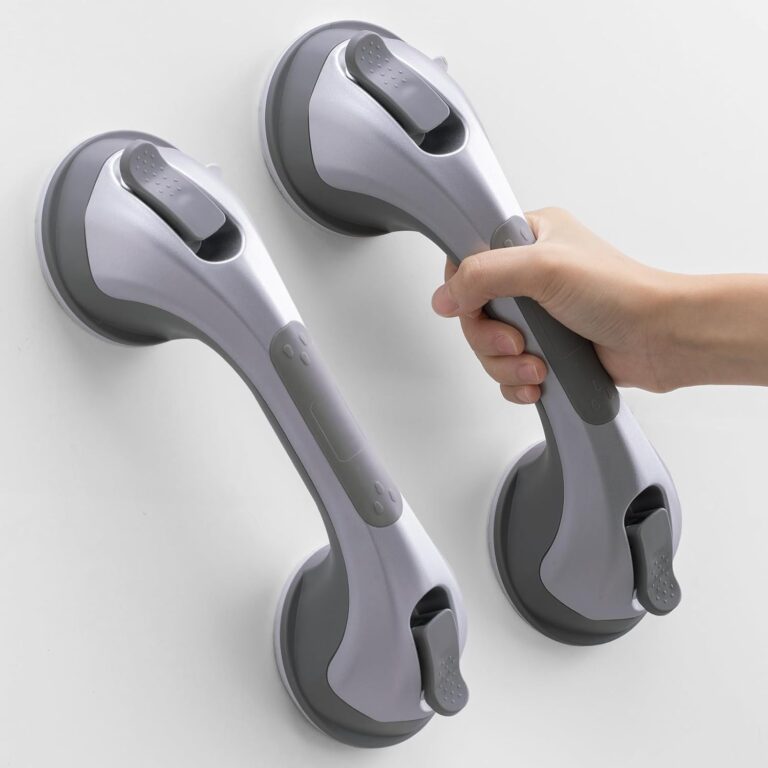
A shower chair is not a cure for an unsafe bathroom. The setup may need a grab bar installed into wall framing, a handheld shower, a raised toilet seat, better lighting, or a roll-in shower. Have grab bars installed by someone who can anchor them correctly. Do not rely on suction-cup bars for weight-bearing unless the manufacturer and a qualified professional confirm their safe use for that purpose.
Mistakes to Avoid
Avoid these common errors:
- Leaving the person alone “for just a minute”
- Turning on hot water after the person is already seated
- Using a loose bath mat under the chair
- Pulling the person by the arms
- Lifting without training
- Locking the bathroom door
- Letting the person hold a towel bar
- Placing soap on the floor
- Washing too fast
- Scrubbing fragile skin
- Ignoring dizziness or new confusion
- Using a chair with missing rubber tips
- Moving a shower chair while someone is sitting in it
- Assuming a person who walked yesterday can transfer safely today
The safest bath is not always the fastest bath. A calm setup gives the person time to move with control.
When to Call a Health Professional
Ask a physical therapist or occupational therapist for a home safety and transfer assessment when the person has repeated falls, cannot stand safely, or needs hands-on lifting.
Contact the person’s clinician about ongoing dizziness, new weakness, worsening pain, skin breakdown, repeated refusal of care, or major changes in bathing ability.
Call 911 in the United States for:
- Loss of consciousness
- Severe breathing trouble
- Chest pain
- Signs of a stroke, such as face drooping, arm weakness, or speech trouble
- A serious head, neck, or spine injury
- Heavy bleeding
- A fall that causes severe pain or prevents movement
Do not move someone after a serious fall unless there is immediate danger, such as fire or unsafe water. Keep the person still and wait for emergency responders.
Frequently Asked Questions
Can one person bathe someone in a shower chair?
Sometimes. One caregiver may be enough when the person can sit upright, follow directions, and bear some weight. If the person must be lifted, cannot control their trunk, or falls during transfers, get trained help.
Should the shower chair be inside or outside the shower?
A standard shower chair belongs inside the shower area. A transfer bench may sit partly outside a tub or shower and is designed for a different transfer. Use the type that matches the bathroom and the person’s mobility needs.
How do you keep someone from falling off a shower chair?
Keep the chair stable, center the person’s hips, support both feet, control the water, and stay close. Do not use restraints unless a qualified professional has specifically directed and trained you. If the person slides or cannot sit safely, stop and request an assessment.
What should you do if the person is afraid of showering?
Explain each step before touching or spraying water. Offer choices, such as washing the face first or using a washcloth. Keep the room warm and avoid rushing. Fear that leads to unsafe movement may require help from a clinician or occupational therapist.
Can a shower chair be used for someone who cannot stand?
It may help with seated bathing, but the transfer into the chair still must be safe. A person who cannot stand may need a lift, a rolling shower commode, a transfer system, or two trained caregivers. Do not lift the person by yourself.
How can you bathe someone who has dementia?
Use a familiar routine, simple instructions, calm speech, and good privacy. Check for pain, fear, cold, or confusion. Supervise closely because dementia can affect judgment and make a person suddenly stand or reach.
Key Takeaways
- Prepare the bathroom and supplies before the transfer.
- Check the shower chair, floor, water temperature, and medical restrictions.
- Keep the person seated and supported during bathing.
- Never lift beyond your training or physical ability.
- Stop for dizziness, pain, weakness, or unsafe movement.
- Ask a physical or occupational therapist to assess difficult transfers.
- Call 911 for serious injury, chest pain, breathing trouble, loss of consciousness, or stroke signs.
Conclusion
Bathing someone in a shower chair is safest when the caregiver plans the transfer, keeps the chair stable, controls the water, and stays close throughout the shower. Let the person do what they can, but do not trade independence for fall risk.
If the transfer requires lifting or feels uncertain, stop and ask a U.S. health professional for a safer plan. The next practical step is to test the bathroom setup while the person is fully dressed and dry, before attempting a real shower.
Sources and Further Reading
- Centers for Disease Control and Prevention, Older Adult Fall Prevention: https://www.cdc.gov/falls/
- U.S. Consumer Product Safety Commission, Scald Prevention: https://www.cpsc.gov/s3fs-public/5098.pdf
- National Institute on Aging, Falls and Fractures in Older Adults: https://www.nia.nih.gov/health/falls-and-falls-prevention
- Occupational Safety and Health Administration, Safe Patient Handling: https://www.osha.gov/healthcare/safe-patient-handling
- MedlinePlus, Home Safety—Older Adults: https://medlineplus.gov/ency/patientinstructions/000923.htm

Michael Reynolds is a senior contributor at RetirementGazette.com, where he focuses on helping readers navigate the journey toward a secure and fulfilling retirement. With over a decade of experience in personal finance, retirement planning, and lifestyle writing, Michael combines practical strategies with easy-to-understand guidance tailored for both pre-retirees and those already enjoying their golden years.