For many users, the Miko Shiatsu Foot Massager is a strong all-around pick, if a clinician approves massage.
After a long day, sore feet and tired calves can make it hard to relax. A foot or leg massager may feel soothing, but diabetes can reduce feeling in the feet and raise the risk of unnoticed skin injury. That makes safe use more important than strong pressure or intense heat. I compare seven options below and focus on their listed features, practical limits, and questions to ask before buying. A massager cannot treat diabetes, nerve damage, or poor circulation.
See the differences between my top picks at a glance.
| Product | Main style | Heat listed? | Coverage or controls listed | Link |
|---|---|---|---|---|
| Musugy Air Compression Leg Massager | Air compression | Yes | Foot and calf; details vary by model | View on Amazon |
| KELIRAO Leg Compression Massager | Leg compression | Yes | Settings and fit should be checked on listing | View on Amazon |
| Miko Shiatsu Foot Massager | Shiatsu-style kneading | Yes | Foot-focused; deep kneading listed | View on Amazon |
| MedMassager Foot Massager Plus | Foot massage device | Not listed in supplied title | Deep tissue; dual speed listed | View on Amazon |
| MZCNU Leg Compression Massager | Compression boots | Yes; heated knee listed | Six modes, 12 intensities, three timers listed | View on Amazon |
| ALLJOY Leg Massager | Leg massage device | Not confirmed by supplied title | Check listing for fit and controls | View on Amazon |
| EMS Foot Massager Pro | Electrical muscle stimulation | Infrared therapy listed | Rechargeable; check pad and setting details | View on Amazon |
Safety Comes First With Diabetes
Diabetes can affect nerves and blood flow. Some people lose feeling in their feet. They may not notice a hot surface, tight strap, blister, or sore right away. The American Diabetes Association advises regular foot checks and care, while the National Institute of Diabetes and Digestive and Kidney Diseases explains that nerve damage can affect the feet. Those facts matter when choosing a massage device.
Talk with your doctor or foot-care specialist before using a massager if you have reduced feeling, a foot sore, swelling, a recent injury, a history of blood clots, or known circulation problems. Ask what kind of pressure and heat, if any, is safe for you. Do not use a massager on broken skin or an area that looks infected. Stop if you feel pain, burning, numbness, or unusual discomfort.
Heat deserves extra care. A person with reduced sensation may not feel that a surface is too hot. Start with no heat or the lowest setting only if your clinician says heat is suitable. Check your skin before and after each use. Do not fall asleep while using a heated device.
These products are comfort tools, not treatments for diabetes or diabetic neuropathy. They do not replace prescribed care, foot checks, or a medical assessment of new pain and swelling. I also avoid calling any device a proven circulation treatment based only on a product title or sales claim.
Best Foot and Leg Massagers for Diabetics
Musugy Air Compression Leg Massager

The Musugy device is an air-compression massager made for the foot and calf, and its title also lists heat. Compression differs from kneading: the device presses and releases around the limb rather than using a rolling head on the sole. That may appeal to someone who wants a wrap-style session instead of a firm foot massage. Check the listing for the current size range, settings, and exact areas covered before ordering.
For a person with diabetes, the key question is whether the pressure can be kept gentle and whether the fit avoids pinching. A tight wrap can feel uncomfortable, and reduced sensation can make that harder to notice. Ask a clinician before use if you have neuropathy, swelling, skin changes, or circulation concerns. Treat heat as an optional feature, not a reason to overlook safety.
Pros:
- Targets both the foot and calf, according to the product name.
- Air compression offers a different feel from kneading rollers.
- Heat is listed as a feature.
- A wrap-style design may be easier to store than a rigid foot spa.
- May suit shoppers seeking a single device for more than the sole of the foot.
Cons:
- Heat and compression may not suit people with reduced foot sensation.
- Fit and pressure range need careful checking before purchase.
- The supplied product details do not confirm exact controls or sizing.
What Amazon Buyers Are Saying
I cannot verify current Amazon review text or review counts for this listing here, so I will not invent buyer comments. Before buying, scan recent verified-purchase reviews for notes about leg fit, ease of putting the wraps on, pressure comfort, and heat control. Give extra weight to reviews from people whose needs resemble yours, but do not treat a user review as medical advice.
My Recommendation
This is worth considering if you want foot-and-calf coverage and your care team approves gentle compression. I would not choose it for someone who cannot feel pressure or heat well unless a clinician has reviewed the plan. Check the return terms and product measurements first. My editorial score is based on the listed features and diabetes-related safety considerations, not hands-on testing.
| Category | Rating |
|---|---|
| Coverage | 4/5 |
| Ease of use | 3.5/5 |
| Diabetes safety flexibility | 3/5 |
| Value | 3.5/5 |
| Overall rating | 3.5/5 |
KELIRAO Leg Compression Massager
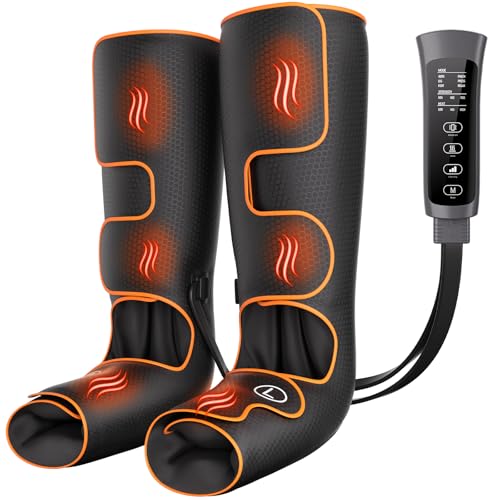
The KELIRAO is described as a leg compression massager with heat. Its product name also mentions circulation and pain relief, but those phrases are marketing claims, not proof that it treats a medical condition. The compression format may be appealing if you want a wrap around the leg rather than a foot-only unit. Confirm which parts of the leg it covers and how the pressure is adjusted on the live listing.
Heat adds a comfort option, but it also calls for caution when sensation is reduced. I would check whether heat can be turned off and whether the device has a low setting before considering it. Ask your clinician if compression is suitable for your health history. If you cannot judge pressure or warmth on your own, do not use the device without medical guidance.
Pros:
- Compression is the main listed massage method.
- Heat is included as a stated feature.
- May be a fit for shoppers who prefer leg coverage to a small foot-only device.
- The product title makes its intended use easy to identify.
- Could offer a relaxing routine for users cleared to use compression.
Cons:
- Exact fit, pressure levels, and coverage need confirmation on the listing.
- Heat may pose a risk for people who do not sense temperature well.
- Its circulation and pain-relief claims should not be read as medical proof.
What Amazon Buyers Are Saying
I do not have verified, current buyer comments for this listing, so I cannot fairly report a review consensus. Read the newest reviews for recurring notes on wrap fit, heat strength, controls, and how easy it is to put on without help. Look for specific details rather than broad claims that a product cured pain or improved a condition.
My Recommendation
KELIRAO may suit someone seeking heat and leg compression in one product, provided a clinician approves both features. It is less suitable as a blind purchase for someone with numbness or fragile skin. Confirm return rules, sizing, and pressure controls first. My rating reflects the limited product details provided, not clinical testing.
| Category | Rating |
|---|---|
| Coverage | 3.5/5 |
| Feature clarity | 3/5 |
| Diabetes safety flexibility | 3/5 |
| Value | 3.5/5 |
| Overall rating | 3.25/5 |
Miko Shiatsu Foot Massager

The Miko uses shiatsu-style deep kneading and includes heat, based on its product title. This makes it a foot-focused choice for people who like a rolling or kneading sensation under the soles. It may be easier to use than a wrap because you place your feet into the unit rather than fastening several straps. Still, the deep-kneading label means people with reduced feeling should ask a clinician before trying it.
Its main strength is a clear focus on foot massage rather than full-leg compression. The heat feature may add comfort, but I would treat it as optional and check whether it can be turned off. Review the product listing for current size guidance and control details. If your doctor approves it, begin with a short, low-intensity session and inspect your feet right after.
Pros:
- Designed specifically for foot massage.
- Shiatsu-style kneading is listed for a deeper massage feel.
- Heat is included as a stated feature.
- No leg wrap is needed to position the feet.
- May appeal to users seeking an at-home foot-focused unit.
Cons:
- Deep kneading may be too intense for sensitive or numb feet.
- It does not provide the broad leg coverage of compression boots.
- Heat needs careful use if you have reduced temperature sensation.
What Amazon Buyers Are Saying
I cannot confirm the current Amazon review pattern for this product. Check recent verified reviews for comments about massage strength, foot fit, controls, and whether the heat feels comfortable. A review that says the massage feels strong may be a warning as well as praise for someone with neuropathy.
My Recommendation
The Miko is my best all-around pick in this group for a buyer who wants a dedicated foot massager and has clinician approval. Its clear foot focus and listed kneading and heat make it versatile, but those same features call for care. If you have loss of feeling, skin problems, or an open wound, do not use it unless your care team says it is safe. Editorial rating: 4/5.
| Category | Rating |
|---|---|
| Foot massage focus | 4.5/5 |
| Feature range | 4/5 |
| Ease of positioning | 4/5 |
| Diabetes safety flexibility | 3/5 |
| Overall rating | 4/5 |
MedMassager Foot Massager Plus

The MedMassager Foot Massager Plus is described as a deep-tissue foot massager with dual speed. Unlike several options in this roundup, its supplied title does not list heat, which may appeal to buyers who prefer to avoid a heating feature. The product name also calls it portable, though I would confirm its dimensions and weight on the current listing. Its foot-focused design does not claim to massage the calves or thighs.
Two speeds can offer a choice, but a lower speed does not always mean gentle pressure. Anyone with diabetic nerve changes should check with a clinician before use and avoid relying on comfort alone to judge safety. Look for clear instructions on how to position the feet and how long to use the unit. Inspect your skin after each session.
Pros:
- Dual speed is stated in the supplied product title.
- Foot-focused format suits shoppers who do not need a leg wrap.
- Heat is not listed in the supplied title.
- Portability is stated as a product feature.
- Deep-tissue style may appeal to people who prefer a firm foot massage, if approved.
Cons:
- Deep pressure may not suit numb or sensitive feet.
- It does not offer the foot-and-calf coverage of a leg compression device.
- Current size, operating details, and safety instructions need checking on the listing.
What Amazon Buyers Are Saying
I cannot verify live Amazon reviews for this item, so I will not assign it a made-up review trend. Check recent buyer comments for speed differences, comfort, noise, stability, and ease of use. For diabetes-related concerns, pay special attention to reviews that describe pressure as strong, and ask your clinician how to judge a safe level.
My Recommendation
This model may be a sensible option for someone who wants a foot-only device with two listed speeds and no heat feature named in the supplied title. It is not my first choice for anyone who cannot feel pressure well. Confirm current product details and get medical advice before use. Editorial rating: 3.75/5.
| Category | Rating |
|---|---|
| Foot focus | 4/5 |
| Control options listed | 3.5/5 |
| Heat-free appeal | 4/5 |
| Diabetes safety flexibility | 3/5 |
| Overall rating | 3.75/5 |
MZCNU Leg Compression Massager

The MZCNU is listed as a leg compression system with a heated knee area. Its title names six modes, 12 intensity levels, and three timers. Those controls may help a user choose among preset options, but a wide range does not prove that any setting is safe for a person with diabetes. Check the listing for fit guidance and which sections of the leg the wraps cover.
This option may suit someone who wants more settings than a simple foot massager offers. The heated knee feature needs special care if sensation is reduced, and compression also needs medical approval for some health conditions. Do not assume that the highest setting gives a better result. Ask a clinician which setting, if any, is right for you.
Pros:
- The product title lists six modes.
- Twelve intensity levels are listed.
- Three timer options are listed.
- Compression boot style may cover more than the feet alone; confirm exact coverage.
- A heated knee area is stated as a feature.
Cons:
- Many settings can make selection harder for a first-time user.
- Heat may be unsafe for people with reduced sensation.
- Exact fit and coverage need checking before purchase.
What Amazon Buyers Are Saying
I do not have current verified Amazon review data for this listing. Read recent reviews for detail on sizing, ease of wrapping the device, how the controls work, and whether the knee section fits as expected. Avoid using buyer reports as proof that compression or heat treats poor circulation or nerve pain.
My Recommendation
The MZCNU may be worth a look if you need a leg-focused device and want several listed modes and timer choices. The feature set is more complex than a basic foot unit, so simple controls and safe fit should guide your decision. Get clinician approval before use, especially for heat or compression. Editorial rating: 3.75/5.
| Category | Rating |
|---|---|
| Listed control range | 4.5/5 |
| Leg coverage potential | 4/5 |
| Ease of use | 3.5/5 |
| Diabetes safety flexibility | 3/5 |
| Overall rating | 3.75/5 |
ALLJOY Leg Massager

The ALLJOY is sold as a leg massager, and its product title mentions circulation and pain relief. Those are claims in the name, not evidence of a medical effect. The supplied details do not state a massage method, heat feature, or control range, so I would study the full listing before making a choice. It may be a practical option only if the seller clearly explains fit and operation.
For a buyer with diabetes, clear instructions matter. You need to know where the device presses, how to stop it, and how to keep pressure low. Ask your clinician before using a leg massager if you have nerve or circulation changes. If the listing does not answer basic questions about size and controls, consider a product with clearer information.
Pros:
- Leg massage is the stated product focus.
- May suit a shopper looking beyond a foot-only device.
- The product name clearly identifies its intended category.
- Could be considered if the current listing gives clear fit details.
- Does not state heat in the supplied product title, so check whether the current model includes it.
Cons:
- The supplied product details do not confirm massage type or settings.
- Fit and exact coverage need close review.
- Circulation and pain-relief wording should not be treated as proven medical benefits.
What Amazon Buyers Are Saying
I cannot confirm current Amazon buyer feedback for this listing. Check recent verified reviews for useful details about leg size, comfort, pressure, setup, and the clarity of instructions. If reviews disagree about fit or strength, use the product measurements and return terms to make your decision.
My Recommendation
I would not buy this model based on the product name alone. It may be worth considering if the current listing clearly explains its controls, coverage, and fit, and your clinician approves its use. When product details are limited, a better-documented model is the safer choice. Editorial rating: 3/5.
| Category | Rating |
|---|---|
| Product detail clarity | 2.5/5 |
| Potential coverage | 3.5/5 |
| Ease of comparison | 2.5/5 |
| Diabetes safety flexibility | 3/5 |
| Overall rating | 3/5 |
EMS Foot Massager Pro

The EMS Foot Massager Pro is described as a rechargeable electrical muscle and nerve stimulator, with infrared therapy named in the title. EMS and TENS refer to forms of electrical stimulation; they are not the same as kneading or air compression. The title also mentions neuropathy and pain relief, but those words do not prove that the device treats diabetic nerve damage. Ask a clinician before using electrical stimulation, especially if you have a medical device or altered sensation.
This product may attract shoppers who want a small foot-focused device rather than a boot or wrap. Before buying, check how it is used, where the pads or contact points go, and what safety notes the manufacturer provides. Do not use it on damaged skin or assume that a tingling sensation means it is working safely. Stop if use causes pain, burning, or an unusual skin response.
Pros:
- Rechargeable operation is listed in the product title.
- Electrical stimulation offers a different approach from kneading or compression.
- Infrared therapy is named as a feature.
- Foot-focused format may be easier to store than leg boots.
- May interest users who prefer adjustable electrical stimulation, if a clinician approves it.
Cons:
- Electrical stimulation may not be suitable for everyone.
- People with numb feet may have trouble judging intensity.
- Medical-style claims in the title should not replace evidence or clinician advice.
What Amazon Buyers Are Saying
I cannot verify live Amazon comments for this product, so I will not make claims about what buyers report. Read recent verified reviews for details about charging, ease of use, intensity adjustment, and skin comfort. Treat any claim of treating neuropathy as a reason to check with a health professional, not as a promise.
My Recommendation
This is the most specialized option in the roundup. I would only consider it after asking a clinician whether electrical stimulation is suitable for your health and any implanted device you may have. For a simple massage, a non-electrical model may be easier to assess. Editorial rating: 3/5.
| Category | Rating |
|---|---|
| Feature distinction | 4/5 |
| Portability potential | 4/5 |
| Ease of use | 3/5 |
| Diabetes safety flexibility | 2.5/5 |
| Overall rating | 3/5 |
How to Choose the Best Foot and Leg Massager for Diabetics
The best foot and leg massager for diabetics is not always the one with the most features. Start with your health needs, then compare how the device works, how easy it is to control, and whether the seller gives clear fit details. A comfortable feel matters, but safety and good instructions matter more.
1. Match the Massage Style to Your Health Needs
Foot massagers often use kneading or rolling. Leg devices may use air compression. EMS and TENS products use electrical stimulation instead of direct kneading. These methods feel different, so do not assume one style works for every person. If you have numbness, foot sores, swelling, poor circulation, or a history of blood clots, ask your clinician before choosing any style. They can help you decide whether massage is suitable and what areas to avoid.
Think about the part of the body you want to use the device on. A foot-only model may be easier to place and store. A leg wrap may cover a wider area, but it can be harder to fit or fasten. Do not pick a model only because its title says “circulation” or “pain relief.” Those words do not show that it treats a health condition.
2. Check Heat, Pressure, and Controls
Heat can feel pleasant, but reduced sensation can stop you from noticing that it is too warm. If you have nerve damage, ask your care team before using heat. Choose a model that lets you turn heat off if you do buy one. Begin with a low setting only when your clinician approves, and check your skin after use.
Look for simple controls and a clear way to stop the session. Adjustable pressure or speed can help, but a low setting may still feel strong. Read the manual before first use. If you cannot feel the pressure well, ask a family member or caregiver to help check the fit, but do not rely on them to replace medical guidance.
3. Compare Fit, Cleaning, and Return Terms
Check the size range and the body areas covered. Measure as the manufacturer directs, and do not assume that one wrap fits every calf or foot. Look for clear instructions on cleaning removable covers or contact pads. Easy cleaning can help you keep the device fresh, especially if several people use it.
Compare the full price with the features you will use. A long list of modes is not good value if the controls are hard to manage. Read the warranty and return terms before ordering, as well as recent buyer notes about fit and setup. When comparing the best foot and leg massager for diabetics, I give more weight to clear instructions and a safe fit than to extra settings.
Final Verdict: Which Should You Buy?
The Miko Shiatsu Foot Massager is my top overall pick for a foot-focused device, based on its listed kneading and heat features. It is suitable only if your clinician approves massage and you can use it safely.
The best foot and leg massager for diabetics depends on sensation, skin health, and care advice. Compare fit and controls, use heat with care, and ask a health professional before you buy.
FAQs Of best foot and leg massager for diabetics
Can people with diabetes use a foot massager?
Some can, but reduced feeling, sores, or circulation problems can raise the risk of injury. Ask your clinician before use, and check your skin before and after each session.
Is heat safe in a foot massager for diabetic neuropathy?
Heat may be unsafe if you cannot feel temperature well. Ask your care team first, and avoid heat unless they say it is suitable for you.
Should I choose a foot massager or a leg compression massager?
Choose based on the area you want to massage and your health needs. Ask a clinician whether kneading or compression is safe for you before you buy.
Can a foot massager cure diabetic neuropathy or improve circulation?
No massager should be treated as a cure for neuropathy or a proven treatment for poor circulation. Use it only for comfort if your clinician approves it.
What should I check before using a massager with diabetes?
Check your skin, read the manual, use only clinician-approved settings, and stop if you feel pain or notice redness, heat, or swelling.

Michael Reynolds is a senior contributor at RetirementGazette.com, where he focuses on helping readers navigate the journey toward a secure and fulfilling retirement. With over a decade of experience in personal finance, retirement planning, and lifestyle writing, Michael combines practical strategies with easy-to-understand guidance tailored for both pre-retirees and those already enjoying their golden years.